Greenhouses have been an integral part of agriculture for centuries, offering a controlled environment that helps grow crops efficiently. But as the world faces challenges such as climate change, growing population, and food security concerns, greenhouse technology is evolving at an incredible pace. Innovations in technology are shaping the future of greenhouse farming, pushing the boundaries of what’s possible in terms of efficiency, sustainability, and productivity. In 2026, we’re seeing the convergence of cutting-edge tech, sustainable practices, and smart solutions that will revolutionize how we grow food.
The Rise of Smart Greenhouses
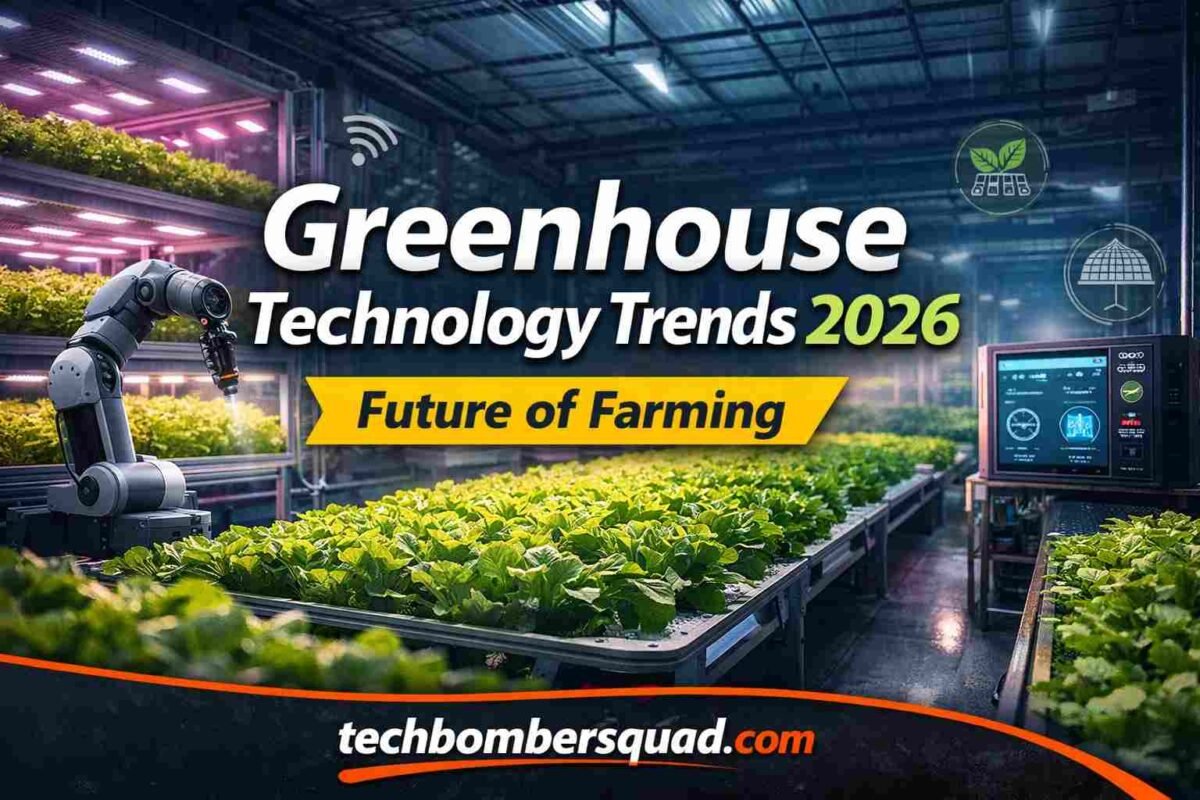
In recent years, smart greenhouses have been a game-changer in the agricultural industry. These greenhouses use artificial intelligence (AI), machine learning (ML), and Internet of Things (IoT) devices to optimize the growing environment in real-time. Here’s how they’re transforming agriculture:
AI and Automation
AI and automation are at the heart of smart greenhouse systems. By using advanced algorithms and sensors, these systems can monitor and adjust environmental factors such as temperature, humidity, light levels, and soil moisture. This creates an optimal environment for plant growth while reducing the need for human intervention.
Automated irrigation systems are now common in smart greenhouses, ensuring that plants receive the right amount of water without wasting resources. Furthermore, AI-driven machines are used for tasks such as planting, harvesting, and pest management, significantly improving efficiency and reducing labor costs.
IoT and Sensors
IoT-enabled sensors have become an essential part of greenhouse technology. These sensors continuously monitor factors like soil moisture, nutrient levels, and even the plant’s health. Data collected from these sensors is sent to a central system, which then processes it to make real-time adjustments. For instance, if the system detects that the soil is too dry, it can automatically trigger the irrigation system to provide the necessary water. This level of control not only maximizes yield but also reduces waste.
Sustainable and Eco-Friendly Practices
As environmental concerns grow, greenhouse technology is becoming more focused on sustainability. The adoption of eco-friendly practices and renewable energy sources is helping greenhouses operate more efficiently while minimizing their environmental footprint.
Energy Efficiency
Energy consumption is one of the largest expenses for greenhouse operators. In 2026, more greenhouses are incorporating solar power and wind energy to reduce reliance on fossil fuels. Solar panels are being used to power greenhouse operations, while wind turbines help generate electricity to run systems such as fans, lights, and irrigation pumps.
In addition to renewable energy, LED lighting is replacing traditional fluorescent lights. LEDs consume less energy, produce less heat, and can be adjusted to suit the specific light requirements of different plants, making them more efficient for greenhouse use.
Water Conservation
Water is another precious resource, especially in areas where it’s scarce. Traditional farming uses vast amounts of water, but greenhouse farming can significantly reduce water waste. Hydroponics and aeroponics are becoming the norm in modern greenhouses, where plants grow in a nutrient-rich water solution instead of soil.
These systems not only use less water but also allow for more precise nutrient delivery, ensuring that plants receive the right amount of minerals they need to thrive. In fact, hydroponic systems can reduce water usage by up to 90% compared to traditional soil-based farming.
Hydroponics and Vertical Farming Innovations
Among the most promising innovations in greenhouse technology is the growing use of hydroponics and vertical farming. Both of these techniques are revolutionizing how food is grown, particularly in urban areas where space is limited.
Hydroponics
Hydroponic systems allow plants to grow without soil, relying instead on a nutrient-rich water solution. This method is especially beneficial for high-value crops like lettuce, tomatoes, and herbs, which require consistent moisture and nutrient levels. Hydroponic greenhouses can produce higher yields in less time compared to traditional farming.
In 2026, hydroponics is more accessible than ever, with improved systems for both large-scale commercial operations and smaller, home-based projects. Additionally, advancements in water filtration and nutrient delivery are making hydroponics even more sustainable, requiring less water and fewer chemicals.
Vertical Farming
Vertical farming takes hydroponics to the next level by stacking crops in multiple layers within a controlled environment. This approach maximizes space usage, making it ideal for urban areas where land is scarce. Vertical farming uses less land and water than traditional farming, making it an eco-friendly alternative to conventional agriculture.
In addition to its space-saving benefits, vertical farming is highly efficient. Advanced LED lighting and climate control systems allow plants to grow quickly and healthily, regardless of external weather conditions. By growing crops in a vertically stacked manner, vertical farms can produce more food per square foot than horizontal farming systems.
Climate Control and Energy Management Systems
Precise climate control is crucial to maintaining the perfect growing conditions inside a greenhouse. In 2026, greenhouses are increasingly equipped with advanced climate control systems that use AI to manage temperature, humidity, and CO2 levels automatically.
Advanced Climate Control
Traditionally, greenhouse operators had to rely on manual adjustments for heating, cooling, and ventilation. Today, smart thermostats and climate sensors control these variables with pinpoint accuracy. AI systems learn from past data to predict the best environmental conditions for plant growth and automatically adjust the temperature, humidity, and lighting to optimize the climate.
Energy Management
Efficient energy management is critical for both sustainability and cost savings. Greenhouses are now adopting smart grids that manage energy distribution across the facility. These grids can prioritize energy use, turning off unnecessary systems during off-peak hours and reducing the greenhouse’s overall energy consumption.
The integration of battery storage systems also helps store excess energy generated from renewable sources like solar power. This stored energy can be used during cloudy days or at night, ensuring that greenhouse operations run smoothly without relying on the grid.
Greenhouse Technology for Local and Urban Food Production
One of the most exciting developments in greenhouse technology is its ability to support local food production, especially in urban areas. With more people living in cities, there’s an increasing demand for fresh, locally grown produce. Greenhouse technology is helping to meet this demand by bringing farming into urban spaces.
Urban Farming
Urban farming is becoming more widespread as cities adopt greenhouse systems to produce food locally. These greenhouses can be built on rooftops, vacant lots, or even in underground spaces. By growing food close to where it’s consumed, urban farms reduce the carbon footprint associated with food transportation and contribute to local food security.
Greenhouse farming is also helping to revitalize communities by creating jobs and providing fresh produce to areas that may not have easy access to grocery stores. The technology used in these urban farms is scalable, making it possible for small community projects to operate alongside large commercial urban farms.
Business Models
Along with urban farming, greenhouse-based food retail is gaining traction. Businesses are setting up greenhouses that not only grow food but also sell it directly to consumers. For instance, urban farm shops are integrating greenhouse farming with food retail, allowing customers to buy fresh produce straight from the source.
These farm-to-table models offer transparency, sustainability, and convenience, making them popular in cities where consumers are increasingly looking for healthier and more sustainable food options.
Key Trends and Future Outlook for Greenhouse Tech
The future of greenhouse technology looks promising, with several key trends emerging that will shape the industry for years to come.
AI and Automation
As AI continues to evolve, its role in greenhouse farming will only increase. By 2026, we can expect AI-powered robots to handle more tasks, such as planting, pruning, and harvesting. These robots will not only improve efficiency but also reduce labor costs and human error.
Sustainability at the Core
Greenhouse technology in 2026 will place even more emphasis on sustainability. Greenhouses will continue to incorporate renewable energy, water-saving techniques, and low-carbon solutions to meet the growing demand for sustainable food production.
Global Expansion
As the world’s population grows, the demand for food will rise, especially in urban areas. Greenhouse technology will become a vital tool in ensuring that we can produce enough food to meet this demand, even as available land for farming shrinks. The future of greenhouse farming is global, and its adoption will increase in both developed and developing countries.
Conclusion
The evolution of greenhouse technology is paving the way for a more sustainable, efficient, and productive future for agriculture. With innovations in AI, hydroponics, renewable energy, and smart systems, greenhouses are becoming a critical tool in addressing global food security and environmental challenges. In 2026, the focus will be on maximizing the use of resources, minimizing waste, and producing more food in smaller spaces. As greenhouse technology continues to advance, it will play a pivotal role in shaping the future of farming.
You May Also Check: Latest Youth Sports Technology News for 2026
About the Author