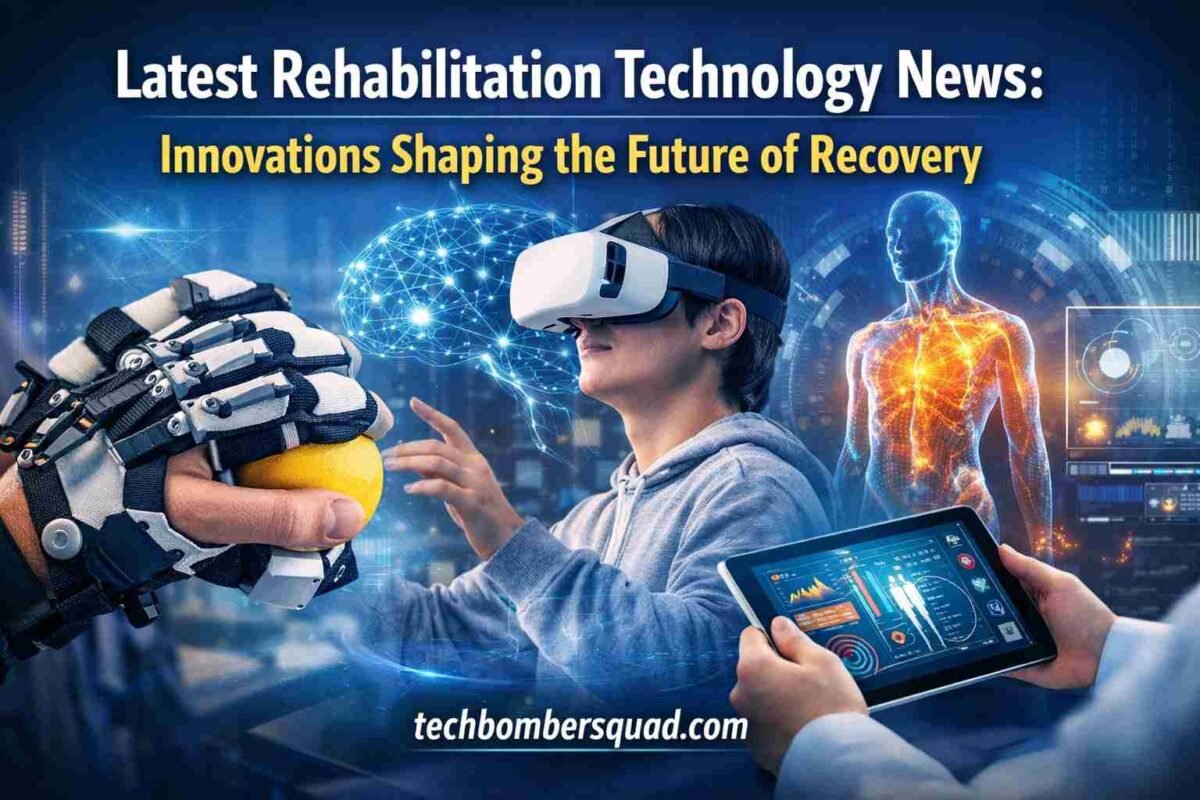
Rehabilitation has always been an essential part of healthcare, helping people recover from injuries, surgeries, and chronic conditions. However, with advancements in technology, rehabilitation is undergoing a radical transformation. Today, technology is not just a tool for recovery; it is a partner in the healing process, enabling faster, more efficient, and personalized rehabilitation. In this blog post, we will explore the various technologies that are revolutionizing rehabilitation, including robotics, artificial intelligence (AI), virtual reality (VR), and tele-rehabilitation. We will also discuss their benefits, challenges, and future potential.
What is Rehabilitation Technology?
Rehabilitation technology refers to a wide range of devices, systems, and techniques designed to support the recovery of individuals who are recovering from injuries, surgeries, or health conditions. These technologies can assist in restoring physical, mental, and cognitive functions, making the recovery process more efficient, accessible, and personalized.
Some common types of rehabilitation technology include:
- Robotics: Devices that assist with mobility, movement, and strength building.
- Artificial Intelligence (AI): AI-driven systems that personalize rehabilitation plans and monitor patient progress.
- Virtual Reality (VR): Immersive environments that support physical therapy and mental health recovery.
- Tele-rehabilitation: Remote rehabilitation services, often involving wearable devices and online platforms.
These technologies are playing a significant role in improving outcomes, reducing recovery times, and enhancing patient engagement throughout the rehabilitation process.
The Role of Robotics in Rehabilitation
Robotics has made a massive impact on the field of rehabilitation, providing patients with the support they need to regain mobility and strength after a serious injury or stroke. Robotic devices such as exoskeletons, prosthetics, and assistive robots are being used in rehabilitation centers and even at home to help patients perform repetitive tasks, regain movement, and improve their range of motion.
One of the most significant advancements in rehabilitation robotics is the use of exoskeletons. These wearable robotic devices support the body’s movements, helping patients walk, stand, and regain motor function after neurological impairments such as stroke or spinal cord injuries.
Benefits of Robotic Rehabilitation:
- Improved Mobility: Robotic exoskeletons help patients with spinal cord injuries or stroke regain mobility, enabling them to walk and perform daily activities.
- Repetitive Task Support: Robotic devices assist patients in performing repetitive movements, which is crucial for motor recovery.
- Increased Efficiency: Robotic systems can work consistently without fatigue, providing patients with therapy sessions that can last longer and yield faster results.
Research shows that robotic rehabilitation is not only effective in improving physical movement but also enhances mental health by giving patients a sense of accomplishment and independence.
Artificial Intelligence in Personalized Rehabilitation
Artificial Intelligence (AI) is one of the most exciting technologies in rehabilitation. AI-driven systems are revolutionizing the way rehabilitation programs are designed, personalized, and monitored. These systems use advanced algorithms to analyze a patient’s movement patterns, track progress, and adapt the rehabilitation plan in real-time.
For example, AI can analyze data from wearable sensors or motion-capture systems to assess a patient’s range of motion, strength, and posture. Based on this data, AI systems can create personalized rehabilitation programs, recommending specific exercises, adjusting intensity levels, and providing feedback to optimize recovery.
Benefits of AI in Rehabilitation:
- Personalized Treatment Plans: AI can tailor rehabilitation plans to an individual’s specific needs, improving recovery times and outcomes.
- Real-Time Feedback: AI can offer immediate feedback during exercises, ensuring patients perform movements correctly and avoid injury.
- Predictive Analytics: AI can predict future rehabilitation needs, allowing healthcare providers to adjust treatment plans before complications arise.
By leveraging AI, rehabilitation centers can provide more effective, data-driven care that enhances patient satisfaction and speeds up recovery.
Virtual Reality and Gamification in Rehabilitation
Virtual Reality (VR) is making waves in the world of rehabilitation by creating immersive environments that engage patients in therapeutic activities. VR can simulate real-world environments where patients can practice movements and exercises in a controlled and safe setting. This is especially useful for patients recovering from stroke, spinal cord injuries, or joint replacements, as it allows them to engage in physical therapy without the risks associated with traditional exercises.
Moreover, VR therapy is increasingly being combined with gamification to make rehabilitation more engaging. By turning rehabilitation exercises into games, patients are more likely to stick with their therapy plans, improving their adherence and motivation.
Benefits of VR in Rehabilitation:
- Immersive Experience: VR creates realistic scenarios that encourage patients to engage in physical activity without the boredom associated with traditional exercises.
- Enhanced Motor Skills: VR can help patients regain fine motor skills, balance, and coordination through interactive exercises.
- Increased Motivation: Gamified VR therapy keeps patients motivated by offering rewards and tracking progress in a fun, engaging way.
Studies have shown that VR therapy can significantly improve rehabilitation outcomes for stroke survivors and those with neurological disorders.
Tele-Rehabilitation: Bringing Therapy to Your Home
Tele-rehabilitation is the use of technology to deliver rehabilitation services remotely, making therapy accessible to people who may not be able to attend in-person sessions. Tele-rehabilitation platforms typically include virtual consultations, remote monitoring tools, and wearable devices that collect data on the patient’s progress.
Tele-rehabilitation is particularly beneficial for patients with chronic conditions or those who live in rural areas where access to rehabilitation centers may be limited. By using wearable sensors or mobile apps, patients can receive real-time feedback and adjustments to their rehabilitation plans from their healthcare providers.
Benefits of Tele-Rehabilitation:
- Convenience: Patients can receive rehabilitation therapy at home, saving time and travel costs.
- Access to Expert Care: Tele-rehabilitation opens up access to specialized care for patients in underserved areas.
- Improved Adherence: Remote monitoring allows therapists to track patient progress and intervene when necessary, ensuring patients stay on track with their therapy.
Tele-rehabilitation is particularly effective for patients recovering from musculoskeletal injuries, cardiac rehab, and stroke recovery, providing a flexible and cost-effective solution for ongoing care.
The Benefits of Rehabilitation Technology
The integration of technology into rehabilitation has brought about numerous benefits for both patients and healthcare providers. Here are some of the key advantages:
Improved Accessibility
Technologies like tele-rehabilitation and wearable devices make rehabilitation more accessible to individuals in remote areas or those unable to attend in-person sessions. Patients can now receive care from the comfort of their own homes, ensuring they don’t miss out on vital therapy.
Faster Recovery Times
Rehabilitation technologies, particularly robotics and AI, enable patients to undergo more intensive and personalized therapy sessions, leading to faster recovery. Robotic exoskeletons allow for prolonged therapy sessions without fatigue, while AI adjusts treatment plans in real-time to optimize recovery.
Cost-Effective Care
By reducing the need for in-person consultations and lengthy hospital stays, rehabilitation technology can lower healthcare costs for both patients and providers. Tele-rehabilitation, for example, eliminates the need for travel, making it an affordable option for ongoing therapy.
Enhanced Patient Engagement
Technologies like VR and gamification increase patient engagement by turning therapy into a fun and interactive experience. This not only improves patient motivation but also leads to better outcomes as patients are more likely to stick to their treatment plans.
Challenges and Considerations in Rehabilitation Technology
While rehabilitation technology has revolutionized patient care, there are still challenges to overcome:
Cost and Accessibility
High-tech rehabilitation devices, such as robotic exoskeletons and AI-powered systems, can be expensive, limiting their availability to only certain healthcare facilities or well-off patients. However, as technology advances, the cost of these devices is expected to decrease, making them more accessible.
Data Privacy and Security
With the rise of wearable devices and tele-rehabilitation platforms, patient data is increasingly being collected and transmitted. Ensuring the security and privacy of this sensitive data is crucial, and healthcare providers must implement strict protocols to safeguard patient information.
Technological Barriers
Not all patients may be comfortable or familiar with using high-tech rehabilitation tools. Older adults, in particular, may struggle with the complexity of some devices. Healthcare providers need to ensure that these technologies are user-friendly and include sufficient training and support.
Future of Rehabilitation Technology: What’s Next?
The future of rehabilitation technology looks promising, with new advancements on the horizon. We can expect to see:
- AI-integrated wearable devices that provide real-time feedback and guidance for patients during therapy.
- Advanced exoskeletons that are more affordable and accessible to a wider range of patients.
- Augmented reality (AR) that enhances rehabilitation exercises with interactive, 3D elements.
As these technologies continue to evolve, they will provide even greater opportunities for personalized care, faster recovery, and improved outcomes for patients worldwide.
Conclusion
Rehabilitation technology is not just improving recovery times; it’s transforming how patients interact with their therapy and how healthcare providers deliver care. From robotics and AI to VR and tele-rehabilitation, technology is making rehabilitation more accessible, efficient, and effective. As we look to the future, the integration of these technologies will only grow, further enhancing patient outcomes and revolutionizing the field of rehabilitation.
By staying informed about these innovations and understanding their potential, both patients and healthcare providers can take advantage of the latest tools to accelerate recovery and improve quality of life.
You May Also Check: Greenhouse Technology Trends 2026: Future of Farming
About the Author